East Africa is a vibrant tapestry woven from diverse cultures and untamed wilderness. It’s a region where every adventure offers a blend of exhilarating wildlife encounters and profound cultural immersion. Join me as we explore how to truly embrace the wild beauty and rich cultural heritage of East Africa.
Discover the Heart of East African Wildlife
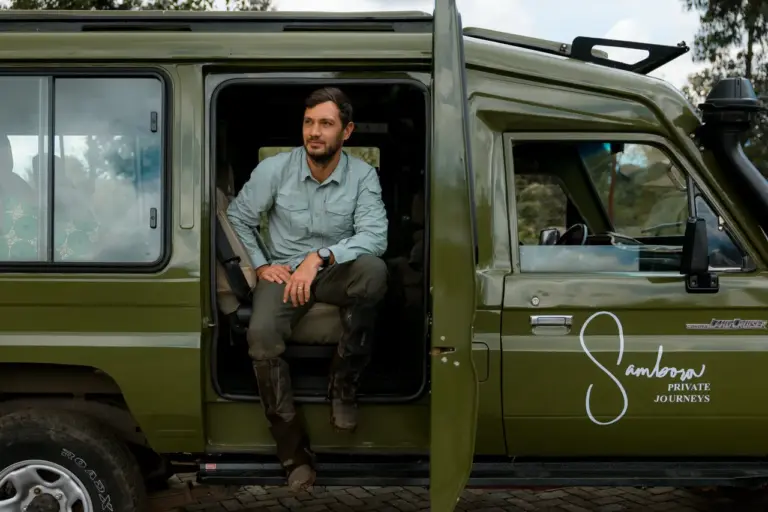
East Africa is renowned for its remarkable wildlife and stunning landscapes. From the Serengeti’s vast savannas to the dense forests of Uganda, immersing yourself in nature’s grandeur is a must. Safaris offer an unparalleled opportunity to witness the majestic Big Five and other unique creatures in their natural habitats. Picture yourself at dawn, bouncing along a dirt track in a sturdy jeep, the cool morning air awakening your senses as the sun casts its golden glow over the plains. The anticipation builds as you scan the horizon, searching for the silhouette of an elephant or the swift movement of a cheetah. It’s this very anticipation and the eventual sighting of these magnificent animals that create lasting memories. Engaging a knowledgeable guide can deepen your experience, offering insights into the behaviors and habits of the wildlife that call these vast landscapes home.
For those seeking a more in-depth encounter, consider a guided walking safari. This exhilarating experience allows you to walk amongst the wildlife, accompanied by expert guides who can offer depth to your understanding of the complex ecosystems. It’s not merely about sighting the charismatic megafauna but also appreciating the smaller details of the ecosystem, such as the vibrant birdlife, the myriad of insects, and the intricate relationships between the flora and fauna. Such experiences underscore the importance of conservation efforts. Understanding how sustainable tourism impacts these ecosystems positively or negatively is crucial for preserving East Africa’s natural beauty for generations to come. Walking these lands gives you a sense of respect and urgency to protect the delicate balance of nature.
An East African safari offers a variety of options to fit different interests and budgets. Whether you’re staying in a luxury lodge or camping under the stars in the Tanzanian wilderness, each provides a unique perspective on this captivating land. Luxury lodges often come with the added benefit of having expert rangers and guides who can craft custom experiences, sharing stories around the campfire and offering safe yet intimate wildlife encounters. On the other hand, camping brings you closer to the soundscape of the African night—lions roaring, hyenas cackling, and the symphonic rustle of nocturnal life. These experiences foster a profound connection to a land that feels both timeless and filled with urgency to be protected and preserved. For more information on planning a safari that aligns with your values and expectations, be sure to explore our safari planning resources for comprehensive guides and tips.
Engage with Local Communities and Traditions
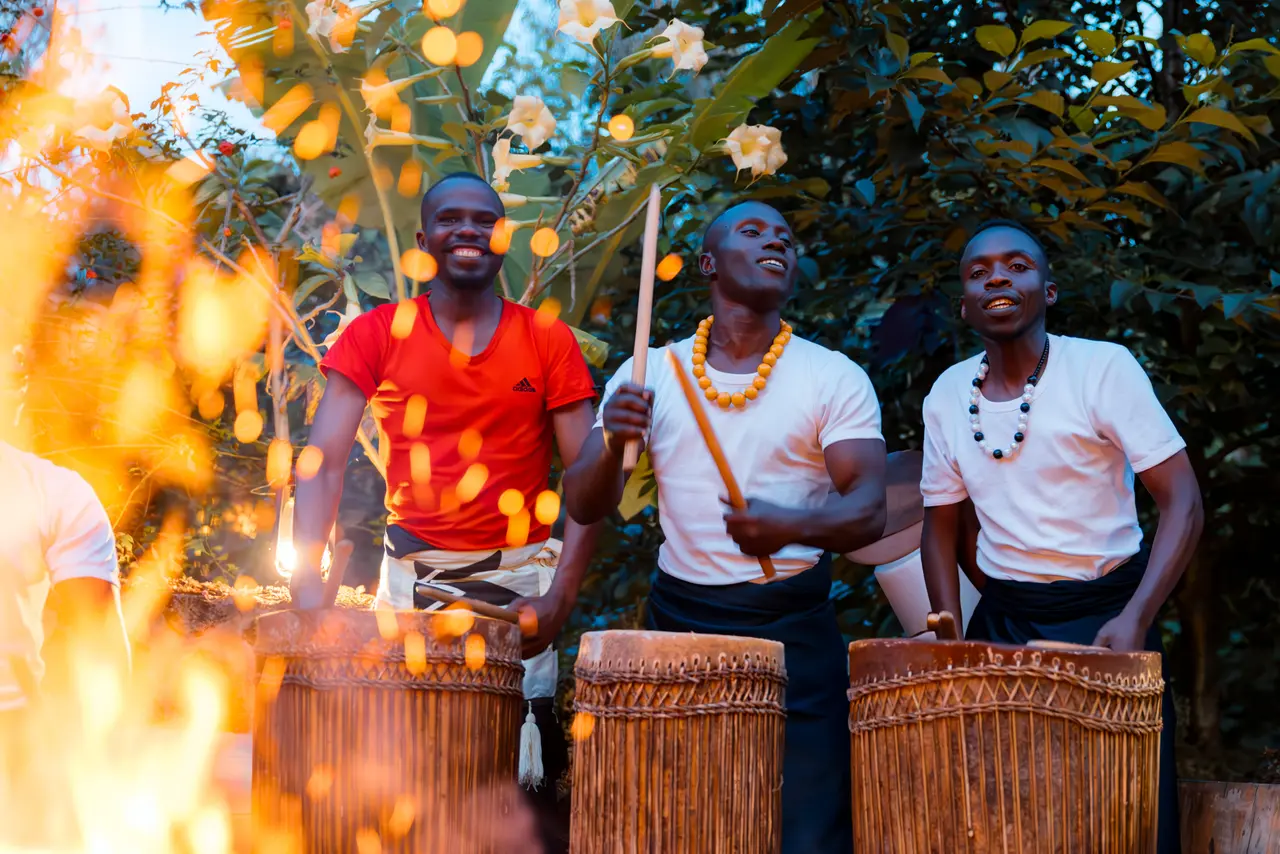
To fully appreciate East Africa’s cultural diversity, spend time with local communities. Participate in traditional dances, taste authentic cuisine, and hear stories passed down through generations. This kind of cultural immersion transforms your journey from a mere trip into a meaningful connection. Participating in a Maasai ceremony or visiting a local fishing village on Lake Victoria gives you more than just memories; it offers new perspectives and deeper understandings of the world. These firsthand encounters with local cultures provide transformative experiences. You aren’t just an observer; you become a part of a living, breathing world that continues to thrive in its traditional ways amidst the rapid pace of modernization.
One of the most enriching aspects of engaging with local communities is learning about the customs and traditions that define them. Every culture, from the Swahili coasts to the highlands of Ethiopia, has its unique set of customs, influencing everything from dress to diet. Participating in customary practices such as attending a church ceremony in Ethiopia or partaking in a traditional dance in Rwanda opens a window into their spirituality and sense of community. These are not performances for tourists; they are living, organic traditions that the communities are gracious enough to share. The respect and understanding fostered during these interactions pave the way for unforgettable cross-cultural exchanges.
Explore the Vibrant East African Markets
East African markets are a feast for the senses. Vibrating with life, colors, and sounds, they are perfect places to delve into the culture. From the bustling streets of Nairobi to Zanzibar’s spice markets, each offers a unique insight into local life and commerce. Stroll through the narrow alleys of a traditional market, and you’ll encounter vendors selling everything from fresh produce to intricate handicrafts. The air is thick with the scent of spices—cinnamon, cardamom, and cloves—essential for understanding regional dishes that have become staples in global cuisine. As you engage in the social fabric of these bustling hubs, it’s easy to see why they’re considered the lifeblood of East African townships and cities.
Observing the vibrant market life, you gain insight into the everyday rhythms and patterns that define East African society. These markets are often the communal heart of a town or village. Here, people come to barter and bargain, strengthen community bonds, and share the latest news. The diversity of goods reflects the multicultural tapestry of the region, from Maasai jewelry to Kikuyu carvings, each telling a story and signifying a piece of the diverse cultural mosaic. Visiting these markets isn’t just about shopping; it’s about participating in an age-old tradition of trade and camaraderie. For travelers passionate about sustainable and ethical tourism, markets offer an opportunity to contribute directly to local economies and support artisan crafts.
In a place as diverse as East Africa, the markets provide a snapshot of regional variation. Take time to explore Nairobi’s Maasai Market, renowned for intricate beadwork and warrior sandals, showcasing the creativity and craftsmanship of the Maasai people. Or, visit the floaty herb stalls in Zanzibar, whose spices link back to an era of sultans and sailors. These visits also allow travelers to engage directly with artisans, gaining insights into the skill and effort involved in creating each piece. Not only do these interactions provide cultural understanding, but they also preserve traditional crafts that are at risk of losing their place in the modern world. For those looking to take a piece of Africa home, purchasing directly from these markets ensures fair compensation for the makers and helps keep their craft alive.
Adventure Activities for the Thrill-Seekers
For those in search of adrenaline-pumping experiences, East Africa delivers in spades. Whether you’re hiking Mount Kilimanjaro or scuba diving in the clear waters of the Indian Ocean, adventure awaits at every corner. These excursions offer not just thrills but unforgettable memories of East Africa’s beauty. Each of these endeavors brings with it an appreciation of the natural world. Climbing the mighty Kilimanjaro, Africa’s highest peak, is more than just a physical challenge; it’s a journey through diverse ecosystems, each with its distinct flora and fauna. The Euphoric sense of achievement when reaching Uhuru Peak at sunrise makes all the effort worthwhile. Meanwhile, descending beneath the turquoise waves of the Indian Ocean introduces you to a vibrant underwater kingdom, abundant with colorful fish and corals.
East Africa is an adventure-seeker’s paradise, offering activities that cater to every interest and level of daring. For those who prefer traversing rugged landscapes on foot, hiking opportunities abound from the starkly beautiful Simien Mountains in Ethiopia to the verdant slopes of Mount Kenya. These hikes offer opportunities to witness breathtaking vistas and remarkable wildlife encounters with species such as gelada baboons and Ethiopian wolves. If water sports are more your style, river rafting along Uganda’s White Nile promises both thrills and the breathtaking beauty of forest-lined banks. Each adventure, whether on land or in water, becomes a treasured tale of conquering nature’s challenges while preserving its pristine beauty for future adventurers.
Adventure in East Africa also means being a responsible traveler. It’s crucial to choose tour operators who prioritize sustainability and conservation. When planning your thrilling escapades with us, ensure that your adventures contribute to the preservation of the environment and the wellbeing of local communities. From supporting initiatives that protect endangered wildlife to choosing eco-friendly accommodations, every decision allows you to embark on journeys that are both ethical and exhilarating. For those ready to embark on these adventures, find more information on how to make the most of your time while ensuring it benefits the destinations you visit.
Your East African Adventure Awaits
Exploring East Africa is an adventure like no other, offering incredible opportunities for cultural immersion and wild encounters. Whether you’re wandering through vibrant markets or standing in awe of majestic wildlife, every moment is a chance to connect with a fascinating world. So pack your curiosity, and get ready for an East African journey that will stay with you long after you return home. Don’t miss out on planning your perfect trip with the resources available at Sambora Private Journeys’ homepage.