Rwanda, with its lush landscapes and rich wildlife, offers a unique opportunity to observe gorillas in their natural habitat. As these majestic creatures are an iconic part of Rwanda’s natural beauty, many travelers are drawn to the country with hopes of seeing them up close. However, questions about safety and the potential dangers of interacting with gorillas arise. In this blog, we’ll delve into the realities of gorilla behavior, how safe it is to be around them, and what you need to know if you’re planning a visit.
Understanding Gorilla Behavior
Gorillas are known for their gentle nature and complex social structures. Unlike their portrayal in popular media as aggressive creatures, they tend to be shy and reserved. Understanding their behavior is key to dispelling myths about their danger in the wild.
Central to the understanding of gorilla behavior is their strong sense of family and community. Much like humans, gorillas live in groups called troops, led by a dominant male known as the silverback. This gentle giant’s primary responsibility is to maintain peace within the troop and protect it from external threats. Contrary to popular belief, gorillas generally exhibit aggression only when they feel their group is in danger. Therefore, when approached in a calm and respectful manner, these creatures rarely pose any threat to humans.
Communication is another fascinating aspect of gorilla behavior, encompassing a rich tapestry of vocalizations, gestures, and facial expressions. Researchers have observed that these highly intelligent animals use different sounds to convey messages, from contentment to alarm signals. Such intricate social interactions hint at the complexity of their emotional world, debunking the misconception of gorillas as mere wild, uncontrollable beasts.
Safety Measures in Rwanda’s National Parks
Rwanda’s national parks have strict guidelines and safety measures in place to protect both visitors and gorillas. By following these regulations, tourists can enjoy a safe and enriching experience while minimizing any impact on the wildlife.
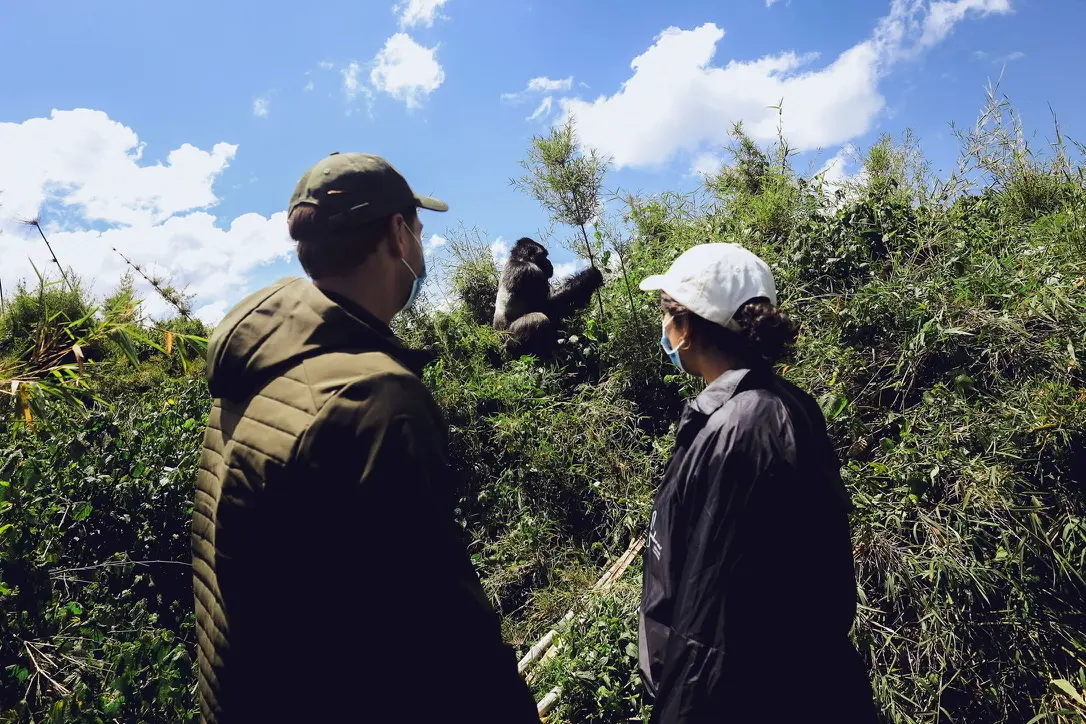
One of the key safety measures is the mandatory briefing that tourists receive before embarking on a gorilla trek. During these sessions, guides educate visitors about the dos and don’ts when in the presence of gorillas, such as maintaining a safe distance, avoiding sudden movements, and refraining from direct eye contact. These simple yet effective practices contribute significantly to minimizing potential risks associated with gorilla encounters.
Furthermore, Rwanda has capped the number of visitors allowed per day for gorilla trekking tours. This strategy not only ensures a more personal and intimate experience for each visitor but also reduces the stress on gorilla habitats. Such measures highlight Rwanda’s commitment to balancing tourism with wildlife conservation and safety.
The Role of Guides and Rangers
Trained guides and rangers play a crucial role in ensuring the safety of both tourists and gorillas. Their expertise in reading gorilla behavior and navigating the jungle is invaluable during treks, providing guests with a secure and informative experience.
Guides are often seasoned professionals who have spent years studying and observing gorillas in their natural habitats. Their keen ability to interpret the subtle cues of gorilla behavior allows them to anticipate and mitigate any potential threats. This level of awareness and expertise ensures that visitors can appreciate the majesty of gorillas without putting themselves or the animals at risk.
Conservation Efforts and Responsible Tourism
Rwanda has made significant strides in promoting conservation and responsible tourism. These efforts not only protect the gorillas but also ensure that tourism activities benefit local communities and the environment, creating a sustainable model for wildlife tourism.
A portion of the fees collected from gorilla trekking permits is invested back into the community and conservation projects. This approach not only incentivizes the protection of gorillas but also contributes positively to local economies. As a result, surrounding communities become guardians of their natural heritage, underscoring the importance of protecting these remarkable animals.
Furthermore, Rwanda’s initiatives such as anti-poaching patrols and habitat restoration programs serve as pivotal components in the overall conservation strategy. By maintaining the delicate balance between tourism and ecology, Rwanda has positioned itself as a global leader in conservation efforts, proving that tourism can indeed coexist with environmental stewardship.
Tips for an Unforgettable Gorilla Trekking Experience
To make the most of your gorilla trekking adventure, it’s essential to prepare adequately. This includes dressing appropriately, respecting the rules set by parks, and maintaining a respectful distance from the gorillas. With the right approach, your encounter with Rwanda’s gorillas will be both safe and magical.
Opt for comfortable, water-resistant clothing and sturdy hiking boots, as treks can be physically demanding, often involving steep and muddy trails. Additionally, carrying essentials like a rain jacket, insect repellent, and a reusable water bottle can enhance your comfort and overall experience.
Finally, embrace the patience and presence of mind it takes to truly experience the wonders of gorilla trekking. Observing these magnificent creatures in their natural habitat is a privilege that offers remarkable insights into their world. By being fully present and respectful, you ensure that the memories you create are as profound as they are lasting.
A Harmonious Encounter with Rwanda’s Gentle Giants
Observing gorillas in their natural habitat is a truly unforgettable experience, offering a glimpse into the lives of one of the planet’s most fascinating animals. By understanding their behavior and respecting park guidelines, visitors can safely enjoy this extraordinary encounter. With Rwanda’s commitment to conservation and sustainable tourism, both gorillas and humans can thrive in harmony. Whether you’re an avid wildlife enthusiast or a curious traveler, the chance to witness these gentle giants up close is an adventure not to be missed. To plan your journey, explore our bespoke travel packages that cater to your unique interests.